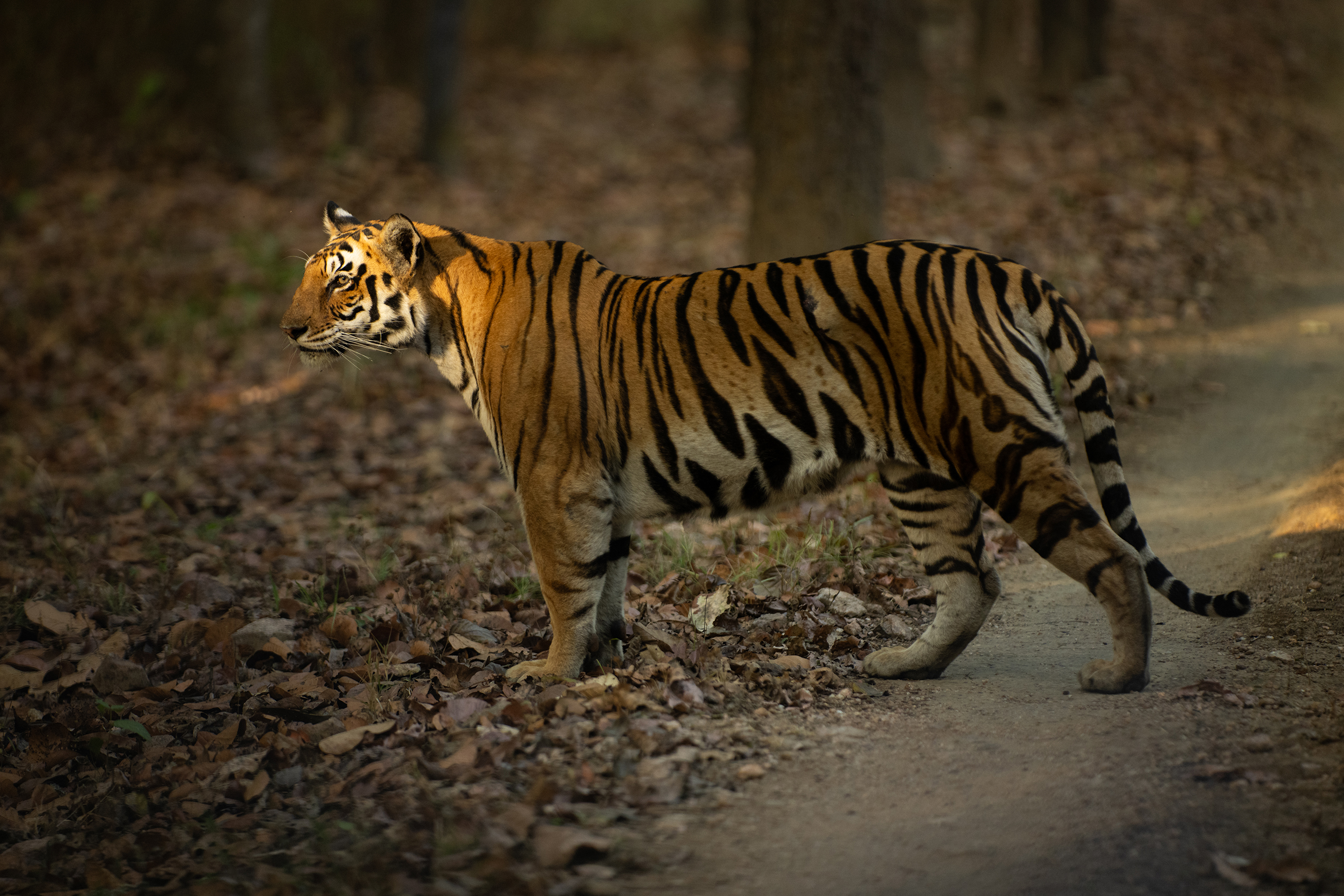
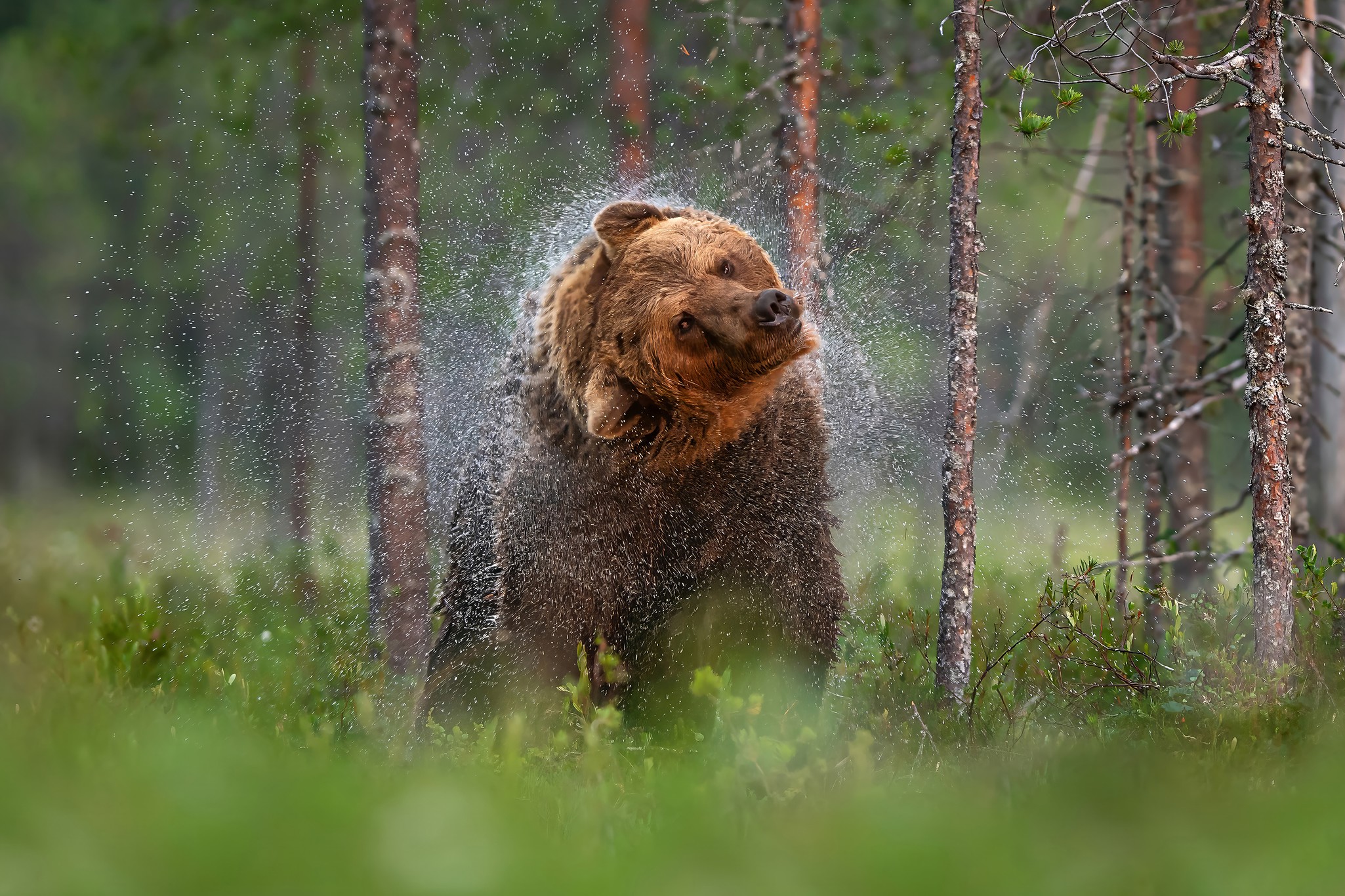
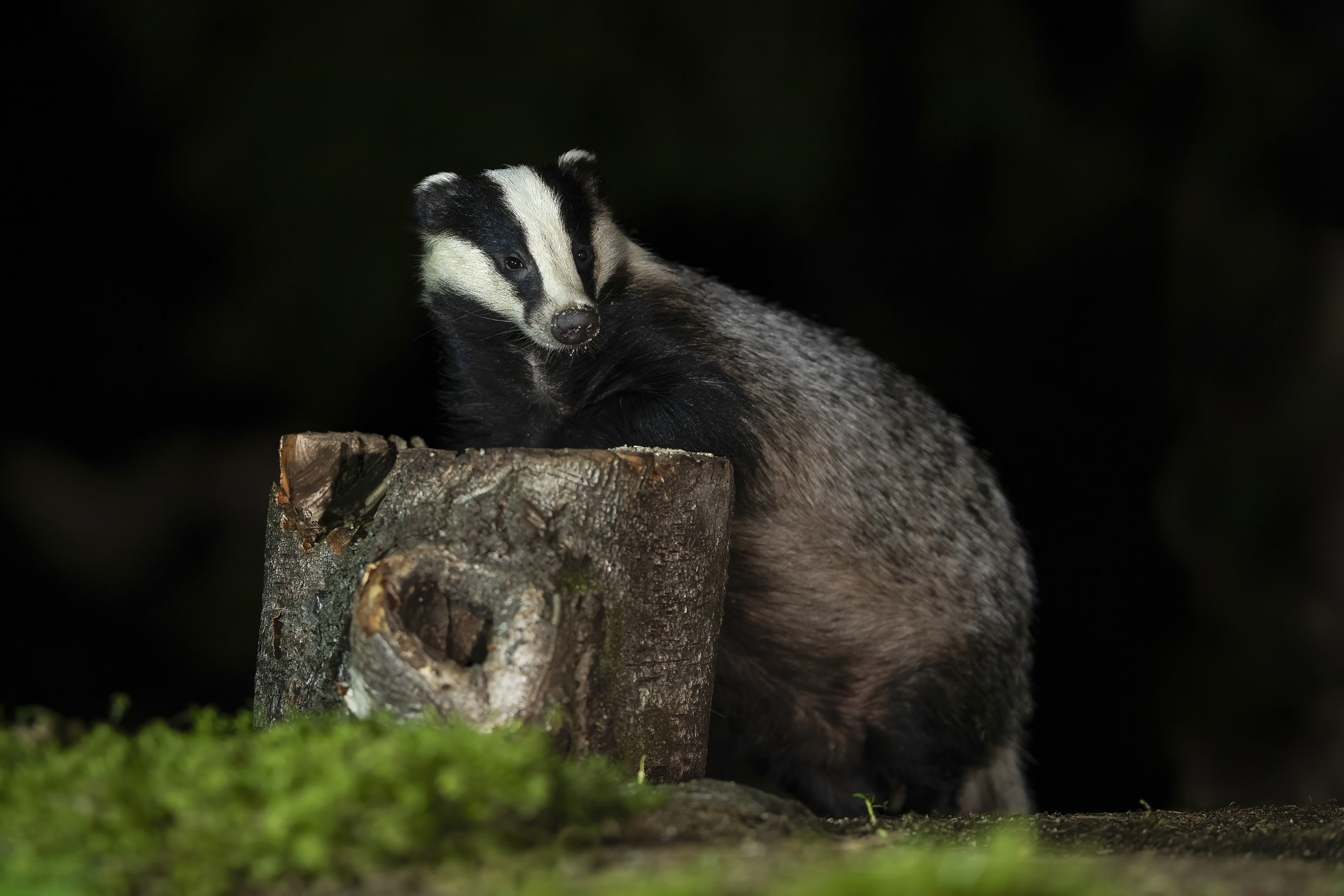
As a nature and wildlife photographer, I am always looking for lenses that do more than simply produce technically sharp images. For me, a lens should help create atmosphere, intimacy and a sense of being present in the animal’s world. That is exactly what makes the Laowa 200mm f/2 AF FF so interesting to me.
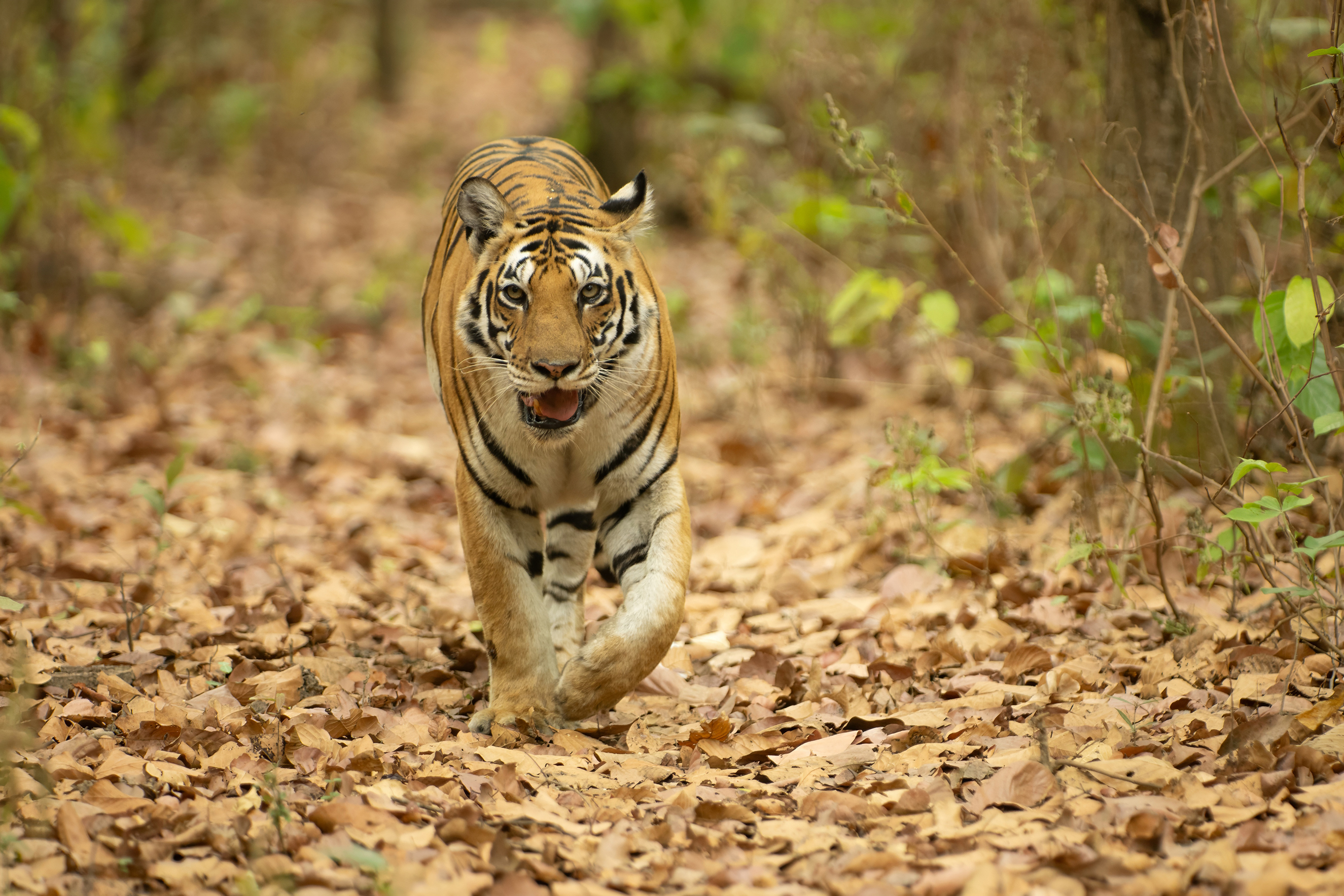
The combination of a 200mm focal length and an exceptionally bright f/2 aperture fits particularly well with the way I like to photograph wildlife: from a very low perspective, often at eye level with the animal, and whenever possible with the light coming from behind the subject. I want the viewer to feel that they are down there with the animal — not standing above it and looking down.
200mm f/2 gives me a very distinctive look
The first thing that attracts me to this lens is, of course, the f/2 aperture. At 200mm, f/2 creates a very shallow depth of field. But for me, this is not simply about producing a blurred background. It is about deciding exactly where.
I want the viewer to look
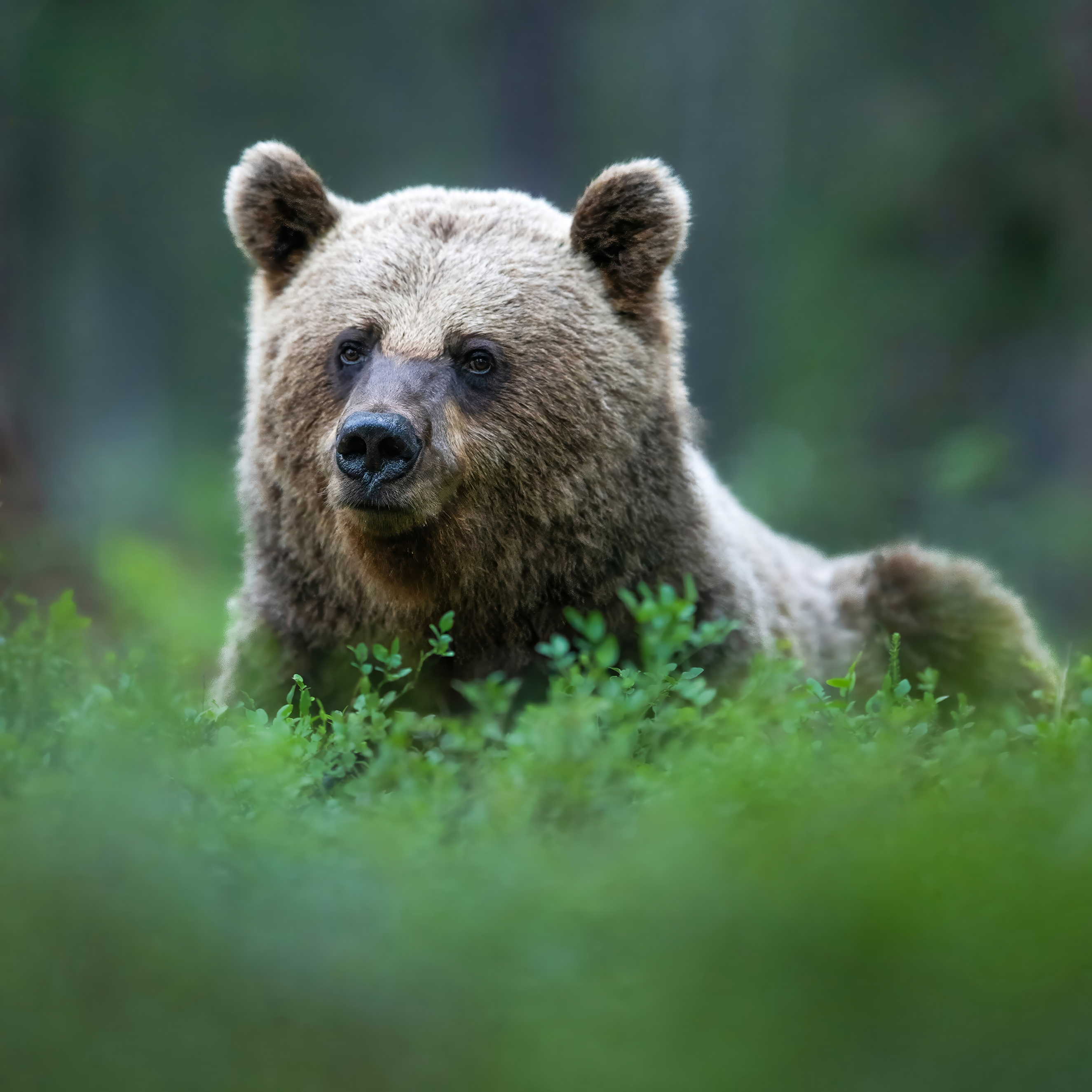
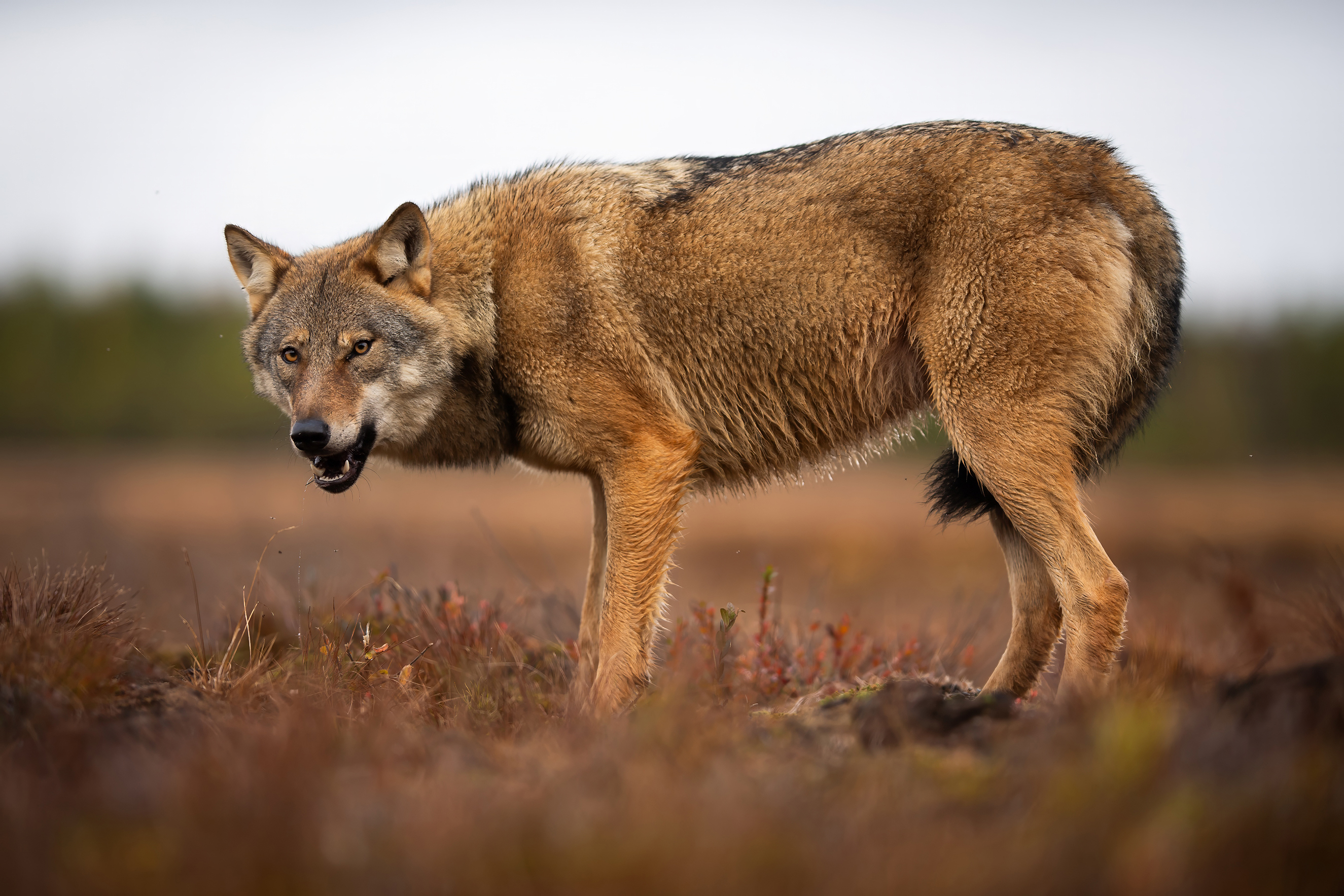
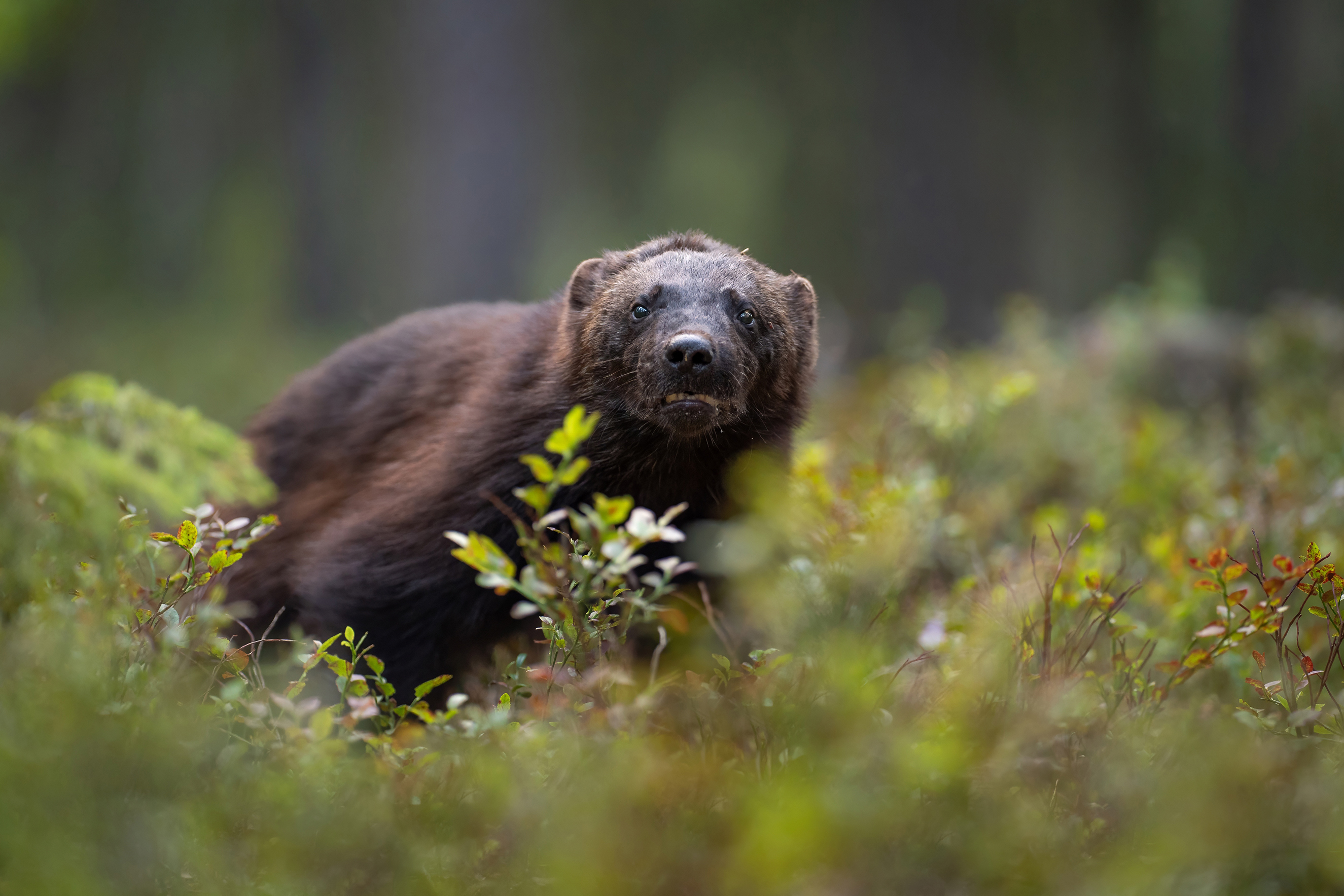
When I photograph an animal from ground level, I often include vegetation, snow, grass, leaves or other natural elements very close to the camera. At f/2, these foreground elements can dissolve into soft areas of colour and light. The same happens behind the animal. This creates layers in the image: a soft foreground, a sharply defined animal and a beautifully diffused background. The result can give the photograph a much stronger sense of depth and intimacy.
Getting down to the animal’s level
Perspective is extremely important in my wildlife photography. Whenever the situation allows it, I try to get as low as possible. Sometimes that means lying flat on the ground with the camera only a few centimetres above the grass, snow or water. There is a simple reason for doing this. I don’t want to photograph the animal from the human perspective. I want to photograph it from its perspective.
When the camera comes down to the animal’s eye level, something changes. The animal becomes a character rather than simply a subject. You meet its eyes directly, and the background often moves much farther away visually. This is where a 200mm f/2 becomes particularly exciting. The combination of the low camera position, telephoto perspective and extremely shallow depth of field can separate the animal beautifully while still allowing me to show enough of its environment to tell a story.
Backlight is where things become magical
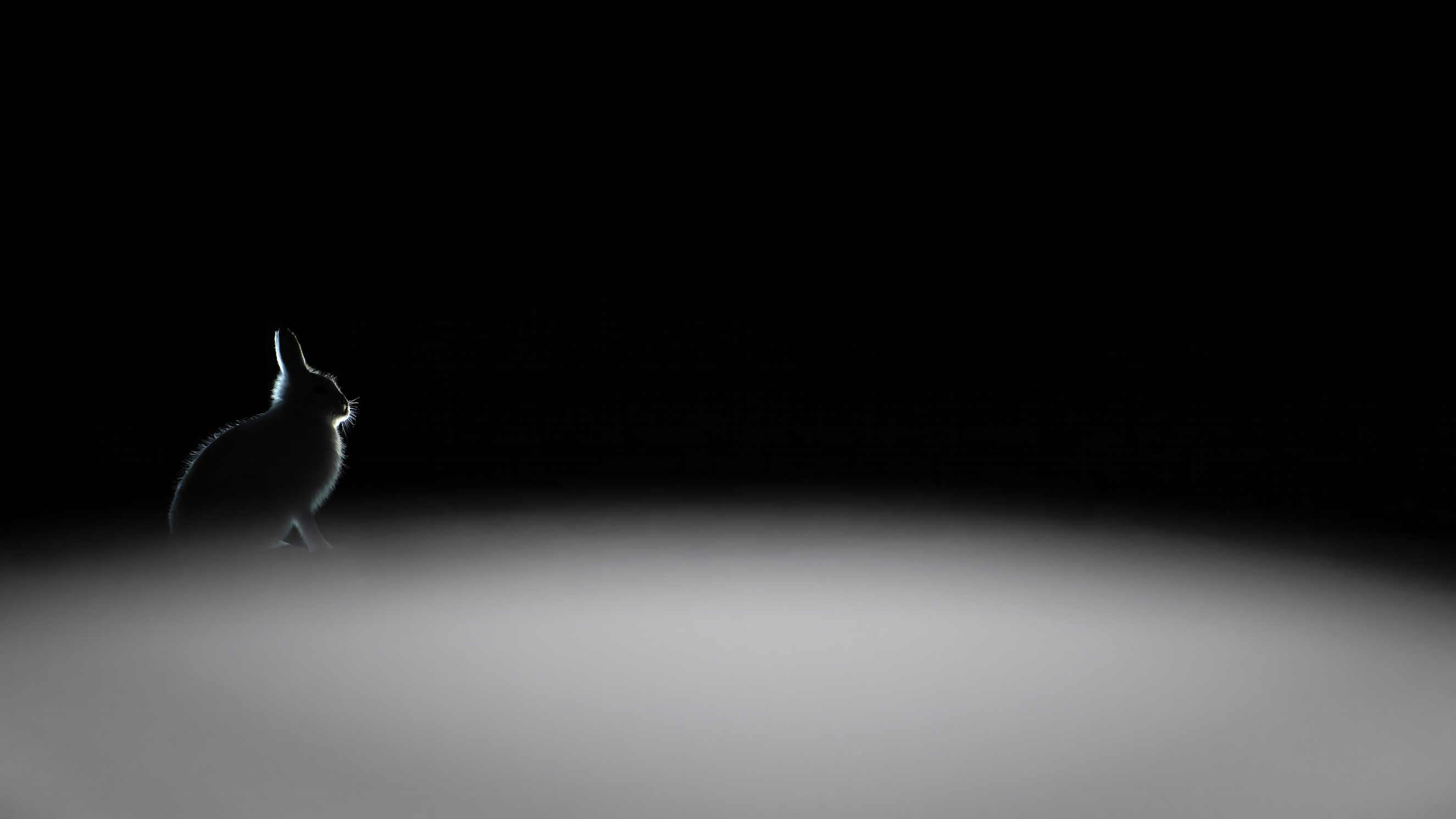
I have always been fascinated by backlight. Many photographers instinctively position themselves with the light behind them. I often find myself doing the opposite. If I see beautiful low sunlight, I start looking for a position where I can place the animal between myself and the light.
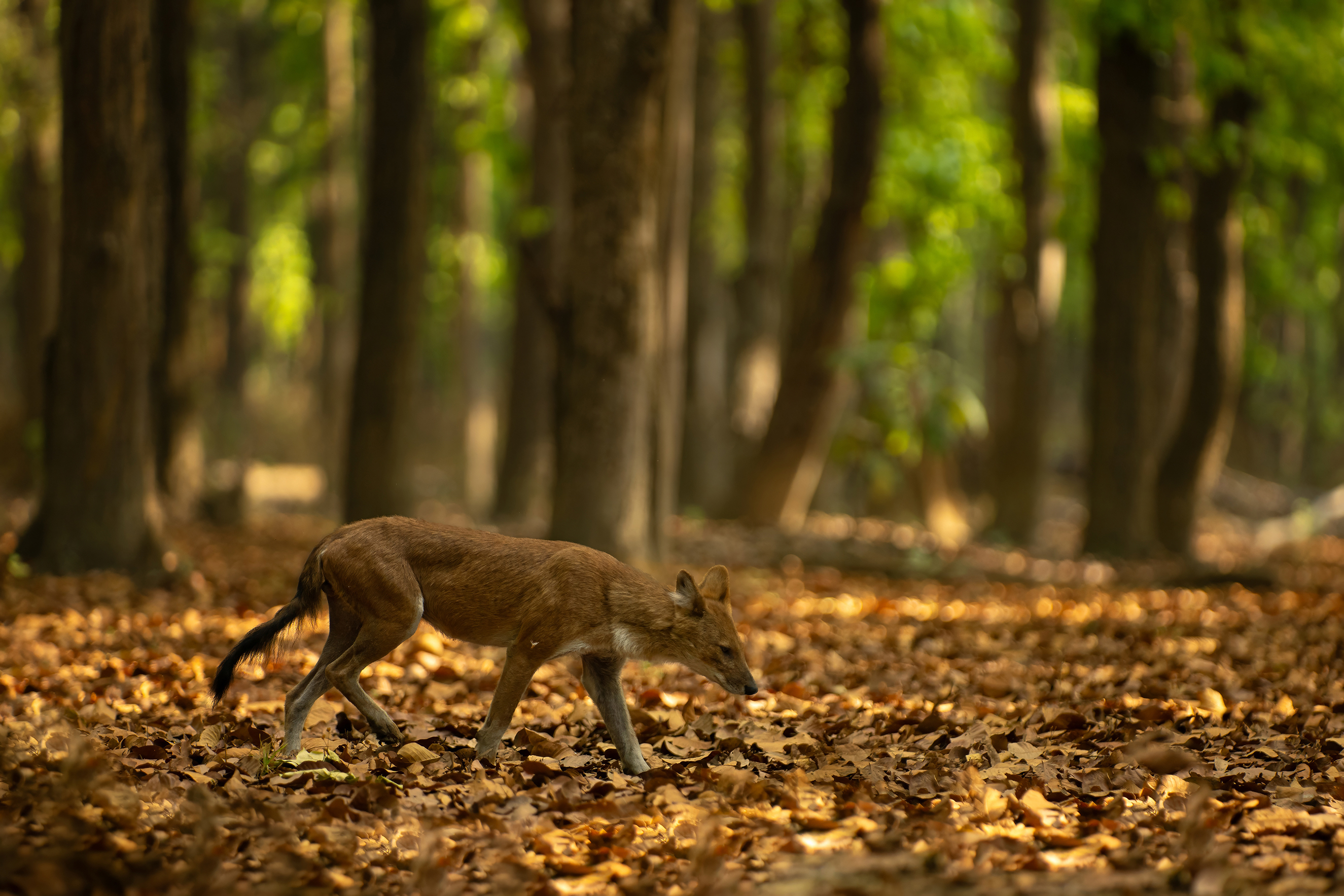
With fur, feathers, breath, grass, mist, snow or moisture in the air, backlight can completely transform a scene. Light catches the edges of fur and feathers and creates a glowing rim around the animal. Individual hairs can suddenly become visible. Grass can sparkle. Mist can light up. Even an ordinary background can turn into soft circles and patches of light. And when the sun is low on the horizon, shooting from ground level makes this effect even stronger.
That combination - low perspective, backlight and a very wide aperture - is one of the reasons I find a lens like the Laowa 200mm f/2 so appealing. f/2 is about light as much as depth of field.
Some of my favourite moments in nature happen when there is very little light. Early mornings and late evenings are often when animals are active, but they are also when the quality of light can be at its most beautiful. At these times, f/2 becomes more than a creative choice. It becomes a practical advantage. The large aperture allows more light to reach the sensor, which can help me maintain the shutter speeds I need when an animal suddenly turns its head, jumps, runs or takes flight. Alternatively, when the animal remains still, I can use that extra light to keep the ISO lower. For me, this flexibility is extremely valuable. Wildlife rarely follows the photographer’s plan, and conditions can change in seconds.
Shooting towards the light
Backlight also creates technical challenges. The contrast can be extreme. Highlights around the animal may be very bright while the face remains in shadow. Exposure therefore becomes an important creative decision. But I like that challenge. I am not necessarily trying to make every part of the photograph perfectly exposed. Sometimes I want deep shadows. Sometimes I want highlights that glow. Sometimes I want the background to become almost abstract.
The important thing is the atmosphere
At f/2, points of light behind the animal can become large, soft areas of bokeh. By moving only a few centimetres to one side or lowering the camera slightly, I can completely change the relationship between the animal and those highlights. This is why I spend so much time moving before I press the shutter.
The animal may not have moved at all, but the photograph can change dramatically simply because I changed my position. The foreground is just as important as the background When I work from a low perspective, the foreground becomes an important part of the image.
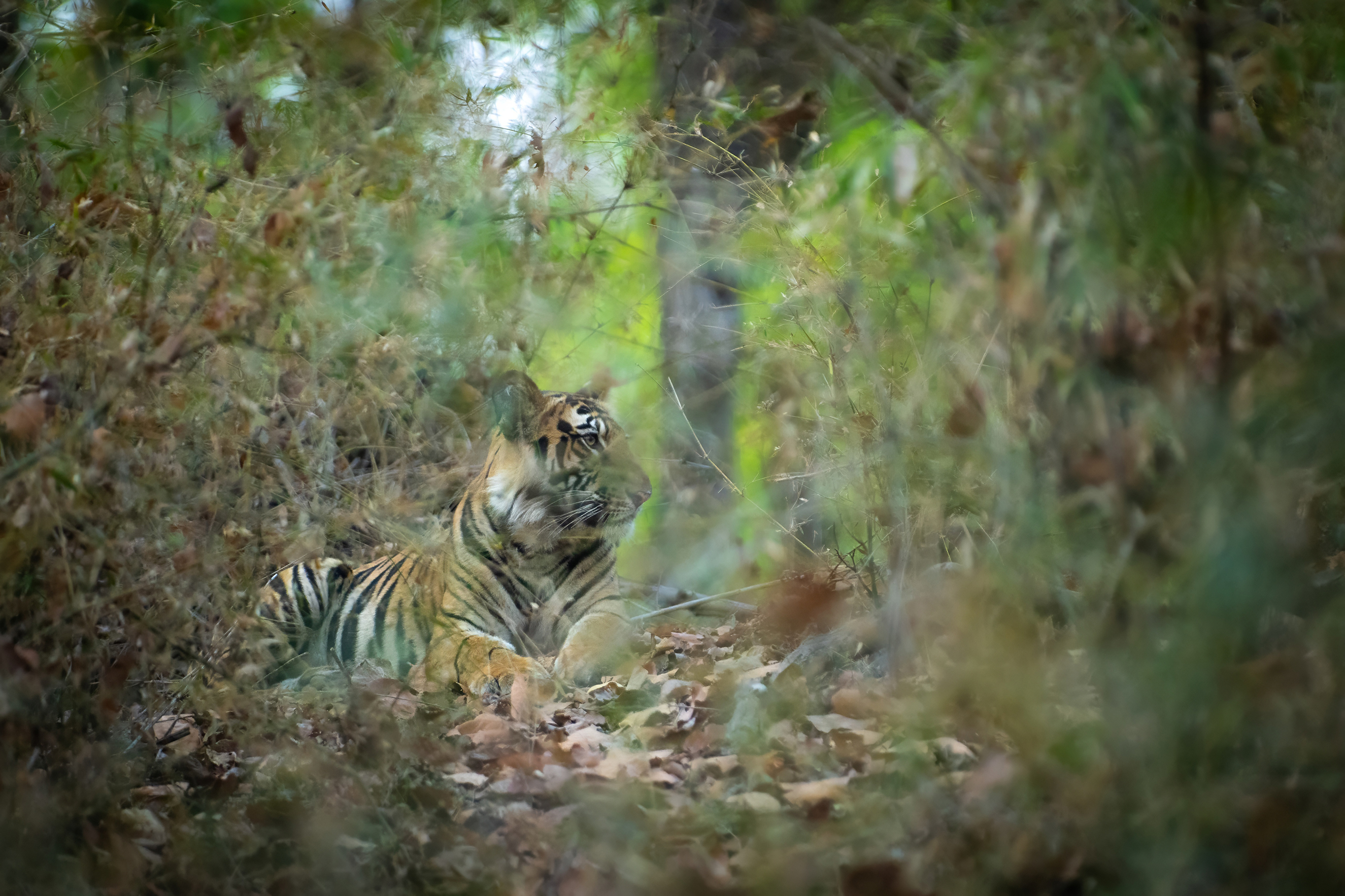
Grass, flowers, snow, rocks or vegetation between the camera and the animal are not necessarily obstacles. Quite often, I deliberately use them. With a 200mm lens at f/2, elements very close to the lens can become completely out of focus. Instead of distracting from the subject, they can create soft shapes that frame the animal. This helps create the feeling that the viewer is hidden in the landscape, observing the animal from within its own environment.
For me, that feeling is much more interesting than simply producing a clean portrait against a perfectly empty background.
- 200mm gives me enough distance without losing intimacy
When I am lying in wet grass or snow with the camera almost touching the ground, waiting for an animal to move into exactly the right patch of backlight, I am not thinking about specifications.
- I am looking at the light.
- I am looking at the background.
- I am looking into the animal’s eyes.
And I am waiting for all those elements to come together for a fraction of a second. If a lens helps me turn that moment into the photograph I imagined, then it has done exactly what I need it to do.
- That is why the Laowa 200mm f/2 AF FF is such an exciting lens for the way I photograph wildlife.